
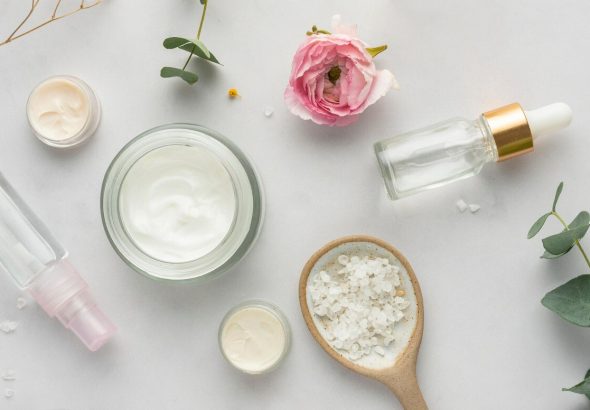
Almost every third person’s skin needs special attention and care. At the slightest change in the environment or lifestyle, it immediately sends a signal – it becomes sensitive. Thin red vessels may appear on the face. This is couperose, which is often a companion of sensitive skin. The skin becomes more vulnerable, reacts even to usual actions and care products.
It is interesting that sensitivity can appear in any skin. It does not matter whether it is dry, oily or combined. The main feature is a quick reaction to external or internal stimuli. Among them:
- sleepless night;
- jitters;
- a new cosmetic product – cream, balm, tonic, etc.;
- too hot shower;
- dusty air;
- frosty weather
Even ordinary medicines or hormonal changes in the body can cause a strong reaction on the face, neck, décolleté, and hands. Sensitive skin is like a capricious child, it immediately makes it clear that it does not like something.
To avoid unpleasant surprises, it is important to understand how to properly care for it.
Basic rules for caring for sensitive skin
It is important to maintain a balance in care. After all, insufficient protection has the same negative impact as its excess.
The first and most important rule is to forget about scrubs and any products with abrasive particles. They injure delicate skin. Instead, choose soft foams or gels for washing. And it is better to use filtered water without excess chlorine. You can also choose soft tonics.
It is important to approach the choice of cosmetology procedures with caution. Entrust peelings and other intensive treatments only to proven professionals. They know how to choose acceptable options for capricious skin. Be sure to test new products on small areas of skin.
When choosing daily care products, pay attention to the “hypoallergenic” label. Such products do not contain aggressive synthetic additives, flavorings and alcohol. Instead, they contain natural oils, extracts of healing herbs and vitamins.
It is best to give preference to specialized cosmetology products of proven brands, pharmacy cosmetics. Such products undergo serious tests before hitting store shelves. Of course, such cosmetics are more expensive than mass market products, but the health of the skin is fragile, so you should not save on it.
Why does the skin become oily?
Frequent causes of oily sheen on the skin include:
- Improper nutrition, lack of vitamins and minerals;
- Insufficient amount of water in the body;
- Taking some medicines;
- Stress, lack of sleep and rest;
- Use of care and decorative cosmetics of low quality.
In all of the above situations, it is possible to improve the condition of oily skin by eliminating the external factors that provoked the excessive secretion of sebaceous glands.
Also, oily skin can be related to body diseases. These can be:
- Chronic pathologies of the gastrointestinal tract;
- Disorders of the endocrine system (for example, diabetes, hyperthyroidism, hypothyroidism, and others).
Stages of skin care
Home care includes several main stages:
- Makeup removalProvides removal of make-up residues and household dust.
- Cleaning.Helps to get rid of excess sebum, keratinized cells and remnants of cosmetics accumulated in the pores.
- Deep cleaning.It is carried out 1-2 times a week to stimulate cell renewal and improve skin texture.
- HydrationThe presence of an oily sheen on the surface of the skin does not mean that its deep layers are sufficiently moisturized. It is important to use day and night moisturizers to deliver moisture to the epidermis.
- Feeding.The use of cosmetics with vitamins, minerals and antioxidants helps to saturate the skin with useful substances and strengthen its protective functions.
- Toning care.Helps restore skin tone and increase its elasticity, refresh the complexion.
- UV protection.Using products with SPF prevents premature aging of the skin and the appearance of wrinkles.
For complex care, you can additionally include products that regulate the secretion of sebum, anti-inflammatory agents and cosmetics with an anti-acne effect.
Dehydrated skin
“Dry” and “dehydrated” skin are concepts that are not identical. The term “dry”, as well as “oily”, “normal” or “combination”, denotes belonging to a skin type, that is, a factor given to a person by nature, determined by innate features.
Dehydrated skin is an acquired condition caused by an insufficient amount of moisture, a low ability to retain it in the stratum corneum. As for the concentration of other useful components, they remain within the normal range. This condition is temporary and can develop in people with any skin type.
The following causes lead to dehydration:
- Violation of the integrity of the skin (wound surface, burns).
- Exposure to aggressive detergents, excessive use of cosmetic products in the form of scrubs.
- Excess moisture loss due to difficult working conditions, prolonged exposure to sunlight, exposure to air conditioners, heaters or central heating.
- Nicotine and alcohol addiction, addiction to coffee.
- Abuse of diuretics, as well as medical problems.
Features of dehydrated skin
Common features of dehydrated skin at any age:
- Loss of elasticity and increased sensitivity to various irritants, appearance of signs in the form of peeling, itching.
- Feeling tight.
- Dull skin color, dark circles under the eyes.
- Since oily skin tries to preserve moisture by activating compensatory mechanisms, additional production of skin secretion, it is characterized by an increase in sebaceous shine, expansion of pores.
- The appearance of fine wrinkles for young skin and the strengthening of existing ones for mature skin.
Natural remedies and their role in care
If you have sensitive skin, natural cosmetics can be a real lifesaver. And it’s not about the organic fashion trend – natural components work softer and more carefully.
Natural cosmetics do not contain chemicals that have a negative effect on sensitive skin. These are parabens, sulfates, artificial flavors. Instead, the ingredients include aloe vera, tea tree, rosehip oil, honey, chamomile, etc.
Practical recommendations
If you have sensitive skin, then any new product must first be tested for the reaction of the dermis. As a rule, for this purpose, you can apply it on the inside of the elbow or on the area behind the ear. If within 48 hours you have no irritations – itching, swelling, hives – you can use cosmetics for the skin of the face.
It is worth remembering that high-quality cosmetic products do not necessarily contain a large number of components. Often, brands with an excellent reputation use only a few ingredients.
Owners of sensitive skin should pay special attention to sun protection. Such creams and sprays with SPF must be labeled “for sensitive skin.” It is necessary to use them even in cloudy weather.
Store care cosmetics in a cool, dark place so that they do not lose their useful properties and do not spoil. Do not forget to follow the expiration dates and do not exceed the periods that manufacturers recommend for “opened” products.
Another important point – do not forget about the sequence of application of means. First, the lightest textures, then denser. Between layers, you must pause for at least a minute. So each tool will fulfill its purpose as effectively as possible.
Summarizing
If you are looking for quality, affordable cosmetics for sensitive, oily or dehydrated skin, take a look at our online store catalog. We offer proven brands whose products will help you take care of the skin of the face, neck, décolleté, and hands. For consultation, use messengers or just call us. We will be happy to help you.